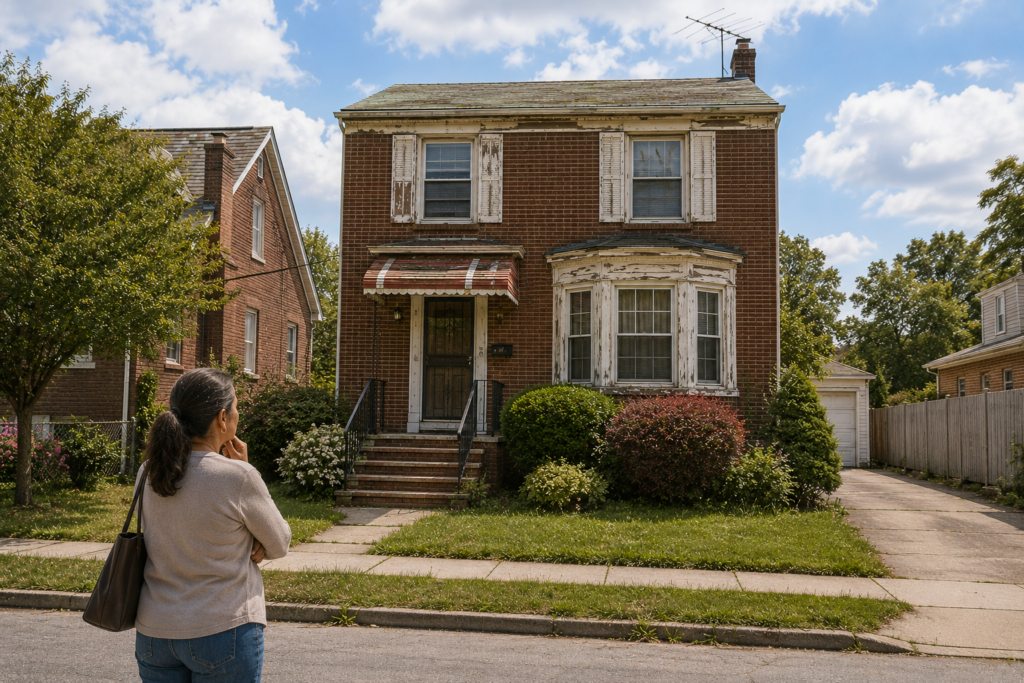

Inheriting a home can feel overwhelming.
Many people assume that once they inherit a property, they immediately gain full control and can decide what to do next.
In reality, inheriting a house often creates a long list of questions and responsibilities that most families have never dealt with before.
• Who has the authority to make decisions?
• Can the property be sold yet?
• What happens if there are multiple heirs?
• Who pays the mortgage?
• What if the insurance is expiring?
• What if the property has violations, deferred maintenance, or years of neglect?
• What should be done if the property is vacant?
For many families, the property quickly becomes a source of stress, uncertainty, and competing opinions.
Understanding what needs to happen first can help make the process far more manageable.
The First Question: Who Actually Has Authority?
One of the biggest sources of confusion after someone passes away is determining who has the legal authority to make decisions regarding the property.
Many family members assume they can immediately list, rent, renovate, or sell the home.
In many cases, however, legal authority must first be established through the estate administration process.
Depending on the circumstances, an executor, administrator, attorney, or other representative may need to be involved before certain decisions can be made.
Before making major decisions regarding the property, it is important to understand who has the authority to act on behalf of the estate.

Securing the Property Often Becomes the Immediate Priority
Many inherited properties sit vacant for weeks or months while families determine their next steps.
During that time, the property still requires attention.
Important questions often include:
• Is the property properly insured?
• Are utilities still active?
• Is the property secure?
• Is maintenance being handled?
• Are property taxes current?
• Are there any immediate safety concerns?
Vacant Properties Require Special Attention
When a property becomes vacant after the owner’s passing, protecting the home often becomes an immediate concern.
Beyond routine maintenance, families should consider:
• Securing doors and windows
• Monitoring the property regularly
• Maintaining appropriate insurance coverage
• Keeping the property maintained
• Addressing safety concerns promptly
• Preventing unauthorized access
Unfortunately, vacant properties can sometimes attract trespassers, squatters, vandalism, theft, or other issues that become significantly more difficult and expensive to address once they occur.
Even if no long-term decision has been made regarding the property, taking steps to protect and monitor the home early can help prevent unnecessary complications later.
Existing Obligations Don’t Disappear
Many heirs are surprised to learn that inheriting a home often means inheriting responsibilities as well.
There may still be:
• Mortgage payments
• Property taxes
• Utility bills
• Insurance premiums
• Liens
• Building violations
• Open permits
• Deferred maintenance issues
Many families are also surprised to discover that these obligations continue even though the original owner has passed away.
In some situations, family members find themselves responsible for maintaining a mortgage they were never originally named on, renewing insurance policies, addressing violations, or dealing with issues that have gone unresolved for years.
The sooner these obligations are identified, the easier it becomes to evaluate potential options moving forward.

Multiple Heirs Can Create Additional Challenges
Some inherited properties pass to a single individual.
Many do not.
When siblings or multiple family members inherit a property together, disagreements can sometimes arise regarding what should happen next.
One person may want to sell.
Another may want to keep the property.
Someone else may want to rent it.
Others may live out of state and have little interest in managing the home.
These situations are extremely common.
The property itself often becomes only part of the challenge. Family communication, expectations, and decision-making can become equally important.
The earlier these conversations take place, the easier it often becomes to avoid misunderstandings and future conflict.
Should You Keep It, Rent It, or Sell It?
Eventually, most families reach the point where they need to evaluate their long-term options.
The most common paths forward typically include:
• Keeping the property
• Renting the property
• Selling the property
The right decision depends on many factors, including:
• Family goals
• Property condition
• Financial considerations
• Existing obligations
• Long-term plans
• The ability and willingness to manage the property
There is rarely a universal answer that works for every family.
The strongest decision is usually the one that aligns with both the family’s goals and the realities of the property itself.

Don’t Let Stress Force a Bad Decision
Many inherited property owners feel pressure to make decisions quickly.
In reality, rushing often creates unnecessary mistakes.
Taking time to understand the property’s condition, financial obligations, ownership structure, and available options can provide significantly more clarity before making a major decision.
In many cases, the biggest challenge is not the property itself.
It is navigating the uncertainty that comes with becoming responsible for something you never expected to own.
Final Thoughts
Inheriting a home often involves much more than simply receiving property.
It can involve legal considerations, financial obligations, family dynamics, property maintenance, insurance concerns, and important decisions about the future.
Whether the goal is keeping the property, renting it, or eventually selling it, understanding the situation fully before moving forward can help reduce stress and create a clearer path ahead.
For many families, the most valuable first step is simply understanding what they have, what responsibilities come with it, and what options are available moving forward.