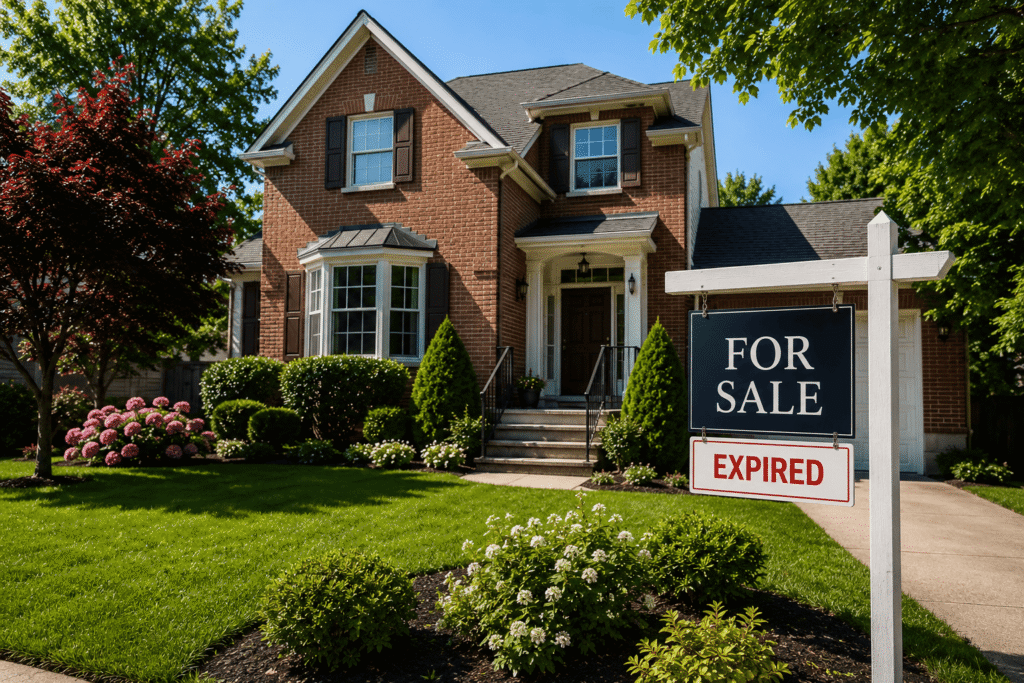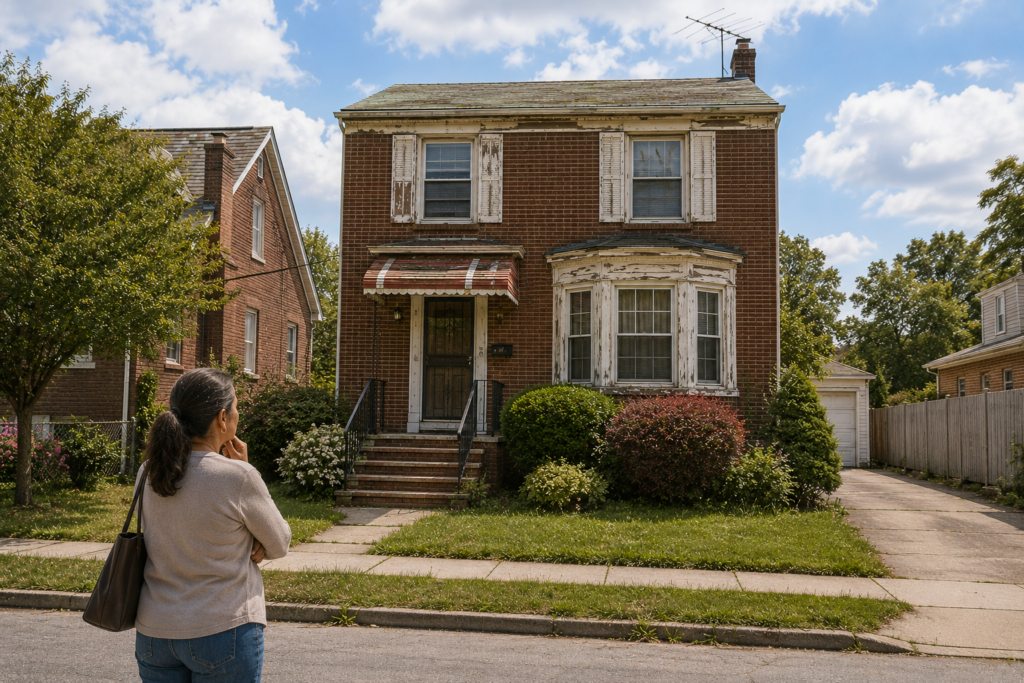
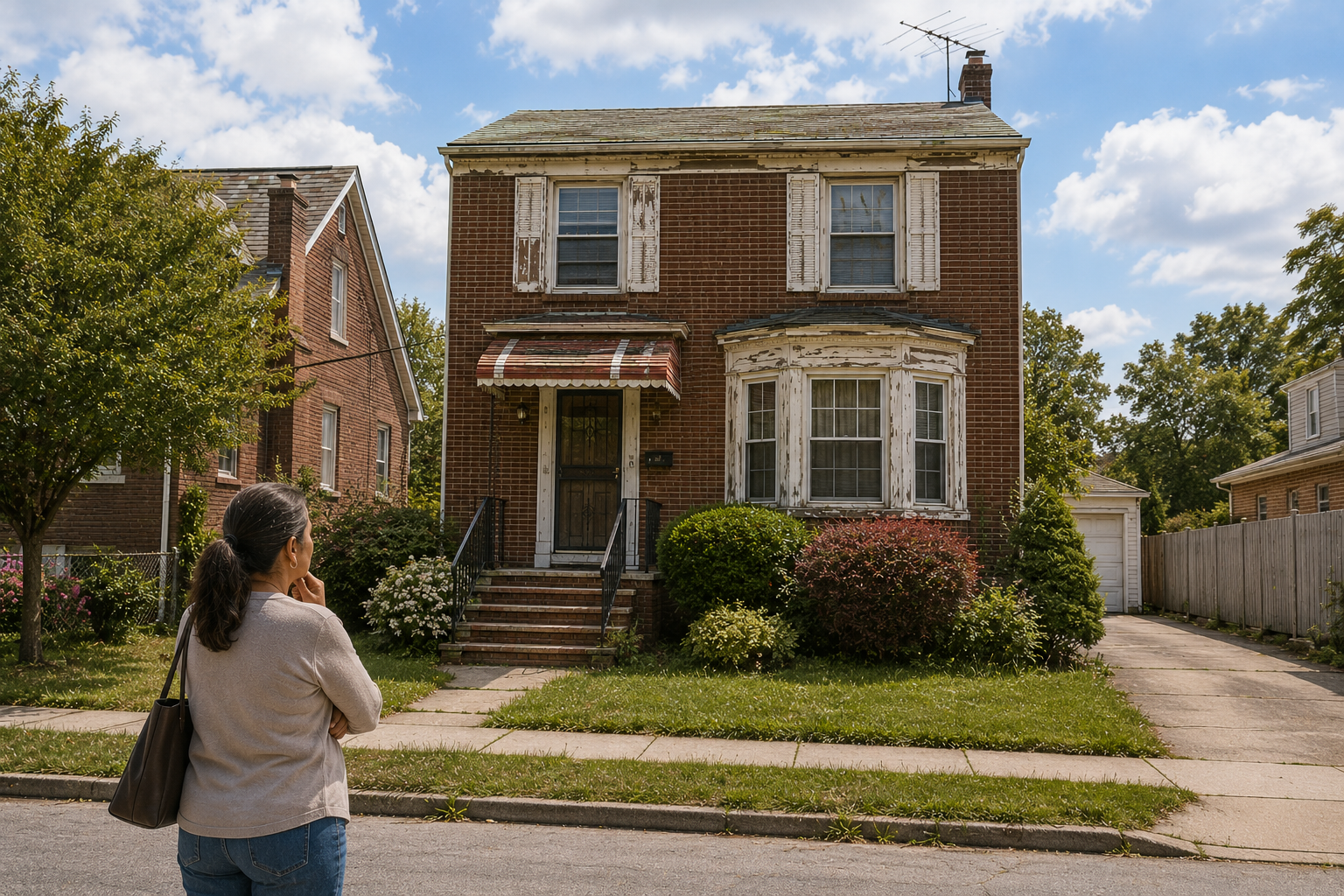
One of the biggest misconceptions homeowners have before selling is believing there are only two options.
On one side are sellers who think they need to completely renovate the property before putting it on the market. They assume they need a brand-new kitchen, updated bathrooms, new flooring, fresh landscaping, and thousands — sometimes tens of thousands — of dollars in improvements before a buyer will seriously consider the home.
On the other side are sellers who believe they shouldn’t do anything at all because “the next owner is just going to tear everything out anyway.”
The reality is that both perspectives can be wrong.
The strongest strategy is often much more nuanced.
What makes sense for a Brooklyn brownstone may not make sense for a Queens single-family home. What works in one market environment may not work in another. A property that needs extensive updating may require a completely different approach than a home that has been well-maintained but simply needs better presentation.
That is why there is rarely a universal answer to the question:
“Should I fix up my home before selling?”
The goal is not to renovate for the sake of renovating, nor is it to ignore obvious opportunities to improve how buyers perceive the property.
The goal is to understand which improvements are likely to create meaningful value, which projects may be unnecessary, and how to position the home in a way that aligns with the seller’s timeline, goals, and local market conditions.
Not Every Dollar Spent Comes Back
One of the biggest mistakes sellers make is assuming that every dollar invested into the property will automatically increase its value.
While certain improvements can improve buyer confidence and marketability, renovations rarely return dollar-for-dollar what they cost.
A homeowner may spend months and significant money updating areas of the property that buyers would have happily changed themselves after purchasing.
The better question is not:
“Can this be improved?”
The better question is:
“Will this improvement meaningfully affect buyer demand, perceived value, or the overall outcome of the sale?”
Small Improvements Often Have the Biggest Impact
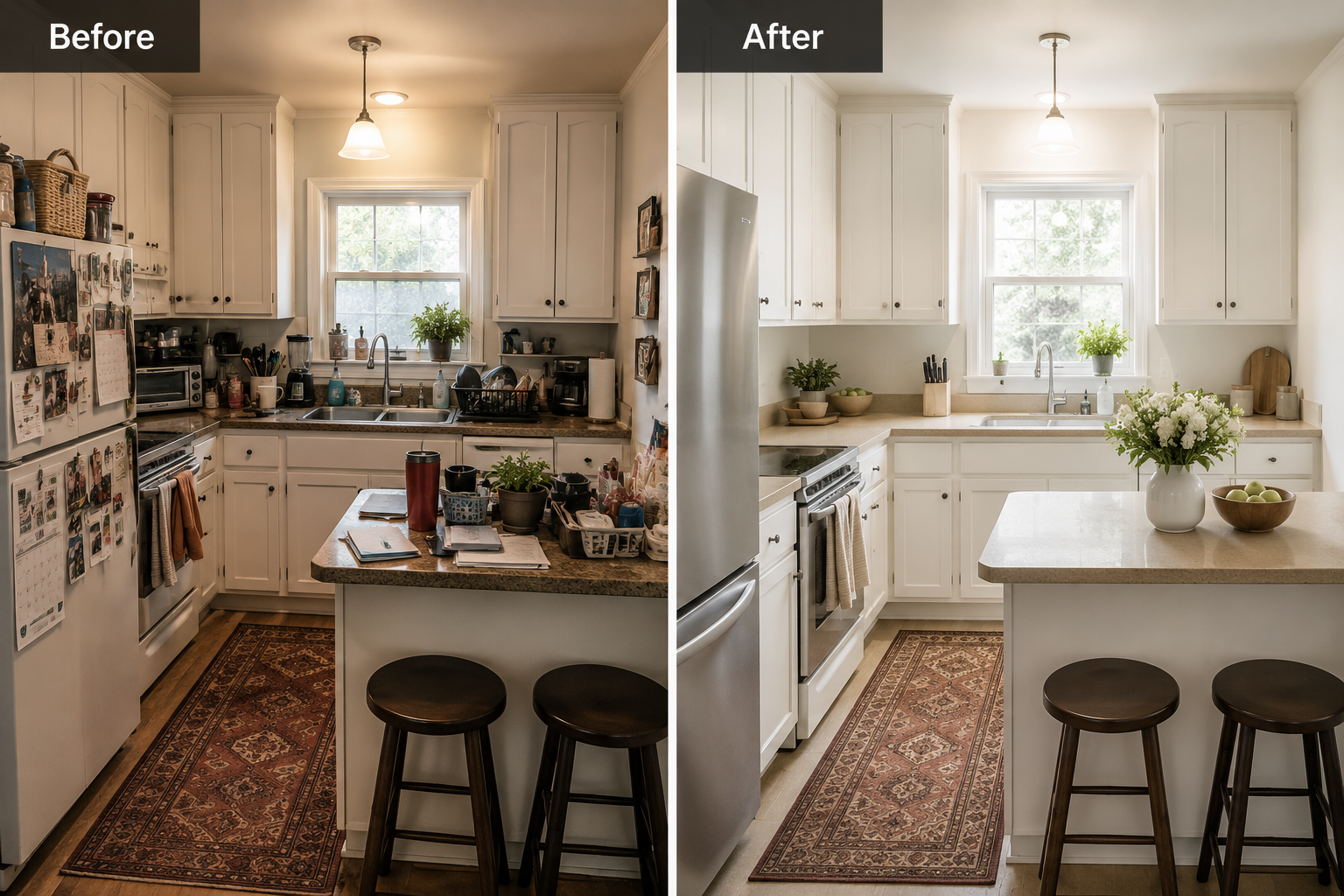
Many of the most effective improvements are not major renovations at all.
In many cases, buyers respond strongly to:
• Fresh paint
• Decluttering
• Deep cleaning
• Improved lighting
• Minor repairs
• Landscaping and curb appeal
• Addressing deferred maintenance
These types of improvements often create a stronger first impression without requiring the cost, disruption, and uncertainty that come with larger renovation projects.
Presentation matters.
A clean, well-maintained home often feels more valuable to buyers than a heavily upgraded property that appears neglected or poorly cared for.
Every Property Requires a Different Approach
A Brooklyn brownstone, Queens single-family home, co-op, condominium, and multifamily property may all require completely different strategies.
Some homes benefit from selective updates before hitting the market.
Others may attract strong demand without significant improvements.
In certain situations, selling as-is may be the most practical and financially sound decision.
Factors that often influence the strategy include:
• Property condition
• Seller timeline
• Financial goals
• Neighborhood competition
• Buyer expectations
• Available budget
• Current market conditions
This is why there is rarely a one-size-fits-all answer.

Avoid Over-Improving
One of the biggest risks sellers face is over-improving a property.
It is possible to spend substantial time and money on projects that ultimately have little impact on how buyers value the home.
In some cases, extensive renovations can delay a move unnecessarily or create additional stress without significantly changing the outcome.
Before committing to major improvements, it can be helpful to understand how buyers are responding to similar properties currently on the market.
Looking at nearby competition often provides valuable insight into what buyers are expecting and which improvements may actually matter.
The Goal Is Strategy, Not Perfection
Many homeowners believe they need to create the perfect home before listing.
In reality, buyers rarely expect perfection.
What buyers often respond to is confidence.
They want to feel that the property has been cared for, maintained, and thoughtfully presented.
The goal is not to make every home look brand new.
The goal is to make smart decisions that maximize value while avoiding unnecessary expenses.
Final Thoughts
Preparing a home for sale is about much more than renovations.
The strongest results often come from understanding which improvements are likely to create value, which projects may be unnecessary, and how the property should be positioned within the current market.
Whether a move is months away or simply being considered for the future, evaluating potential improvements early can help homeowners make more informed decisions and avoid unnecessary expenses.