One of the most common concerns property owners have when considering a sale is whether the tenant situation will affect their ability to sell.
Some landlords believe they cannot sell until the tenant leaves.
Others assume the tenant situation doesn’t matter because the next owner can simply deal with it after closing.
The reality is that both assumptions can be misleading.
In many cases, a property can be sold with tenants in place. However, whether that is the best strategy depends on several factors, including the property type, location, buyer pool, tenant situation, and the seller’s overall goals.
The strongest approach is often more nuanced than simply asking whether a tenant can stay or must leave.
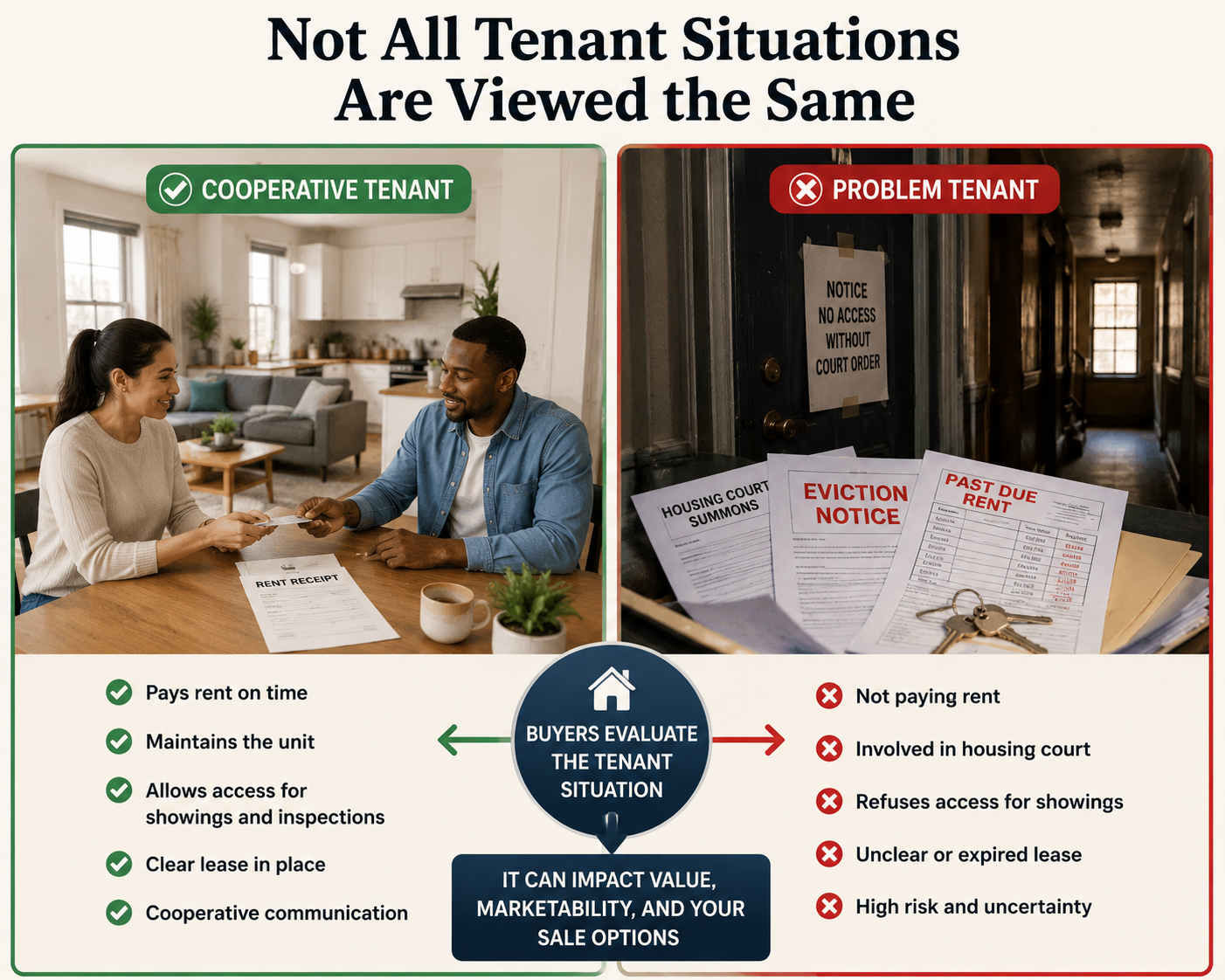
Not All Tenant Situations Are Viewed the Same
One of the biggest misconceptions among property owners is believing that buyers view all tenant situations equally.
They do not.
A cooperative tenant who pays rent on time, maintains the unit, allows access for inspections and showings, and has a clear lease is very different from a non-paying tenant, a tenant involved in housing court, or a tenant who refuses access.
Buyers evaluate more than the building itself.
They also evaluate the challenges, risks, and responsibilities they may inherit after closing.
In some cases, the tenant situation becomes just as important as the property itself.
Property Type Matters
The impact of a tenant often depends on the type of property being sold.
For example:
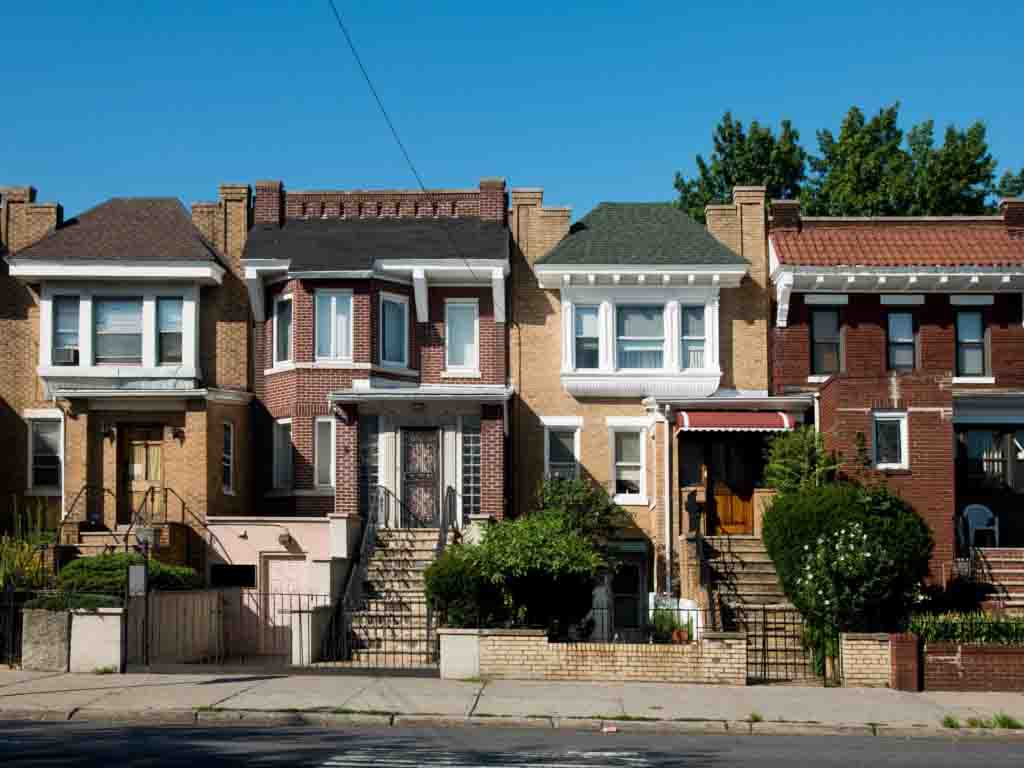
• A commercial building is generally expected to have tenants.
• A four-family investment property may attract investors who are comfortable purchasing occupied buildings.
• A two-family home may attract owner-occupants who intend to move into one of the units.
Those buyers often evaluate occupancy very differently.
A tenant situation that has little impact on one property may significantly affect another.
Understanding who the likely buyer is can play a major role in determining the best strategy before listing.
Location Matters Too
Buyer expectations can vary significantly from one neighborhood to another.
In some areas, investors may be more comfortable purchasing occupied properties.
In other neighborhoods, owner-occupant buyers may represent a larger portion of the buyer pool.
The broader the pool of potential buyers, the more competition a property tends to receive.
Anything that limits the buyer pool can potentially affect both marketability and value.
That is why tenant situations should always be evaluated within the context of the specific property and neighborhood.
Tenant Situations Can Affect Value and Marketability
Many landlords focus primarily on whether a property can be sold.
A better question is often:
“What effect will the tenant situation have on the sale?”
A buyer purchasing a property with occupancy issues may be taking on significant uncertainty.
They may be concerned about:
• Non-payment of rent
• Housing court proceedings
• Access for inspections
• Delays in obtaining possession
• Legal expenses
• Carrying costs
• Future vacancy timelines
If a buyer believes they may need to spend months or even years resolving occupancy issues while continuing to pay mortgage payments, taxes, insurance, maintenance expenses, and legal costs, they will often factor those risks into their purchasing decision.
Some buyers may decide not to pursue the property at all.
Others may only be willing to move forward at a lower price point.
Sometimes Vacant Units Create More Value Than Rent
One of the biggest mistakes property owners make is focusing exclusively on the rent they may lose if a tenant leaves before the sale.
While vacancy does create short-term lost income, it can also create substantial benefits.
A vacant unit may:
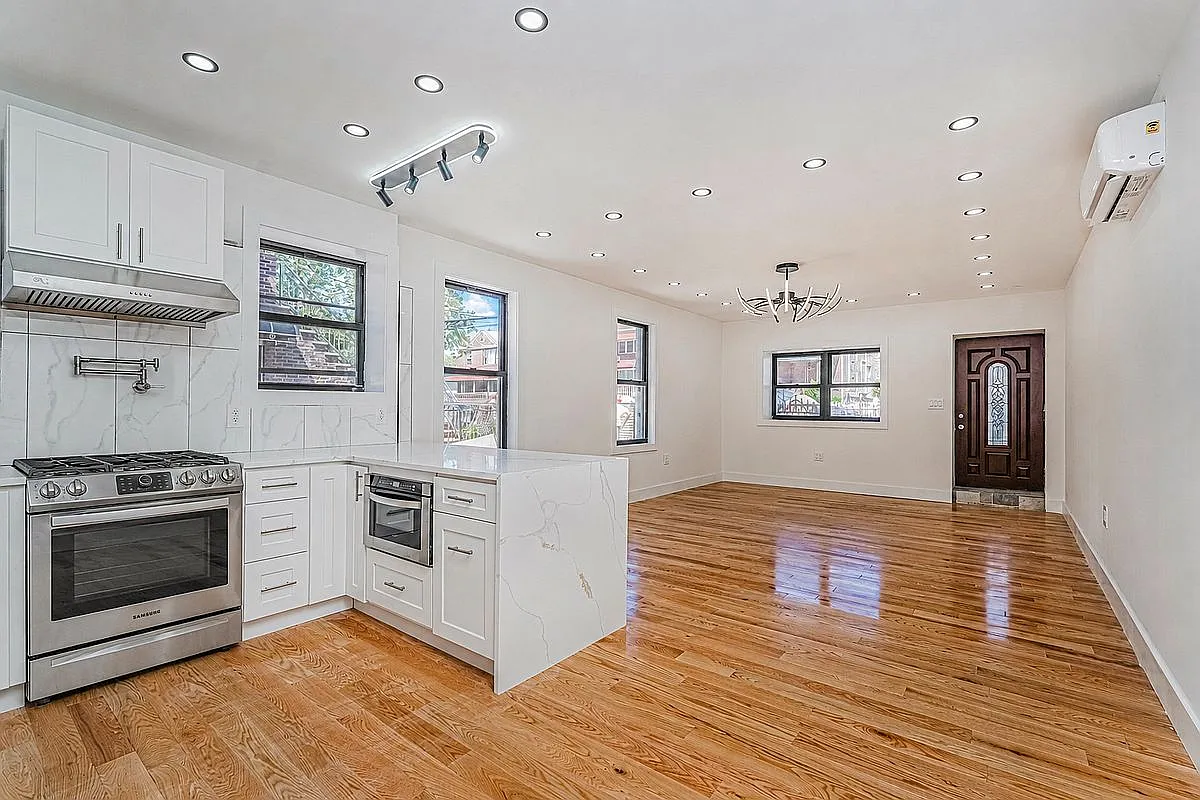
• Expand the buyer pool
• Increase buyer confidence
• Improve showing access
• Simplify inspections
• Reduce uncertainty
• Create stronger competition among buyers
• Improve financing opportunities
• Reduce the likelihood of a tenant disrupting the transaction
In many situations, the increase in marketability and sale price can outweigh the temporary loss of rental income.
Every situation is different, but focusing only on lost rent can sometimes cause owners to overlook the larger financial picture.
Avoiding a Tenant Dispute Is Often the Best Outcome
Unfortunately, many New York property owners have learned firsthand how difficult landlord-tenant disputes can become.
Some owners find themselves in housing court for months or even years attempting to regain possession of a unit.
As a result, avoiding a dispute is often preferable whenever possible.
While every situation is different, many owners find that reaching a voluntary agreement with a tenant can be significantly less expensive, stressful, and time-consuming than a prolonged legal battle.
The goal is not simply to remove a tenant.
The goal is to create the strongest overall outcome while minimizing unnecessary delays, expenses, and risk.
Every Situation Requires a Different Strategy
There is no universal answer that works for every property owner.
A landlord with a cooperative tenant in a four-family investment property may require a completely different approach than a homeowner trying to sell a two-family property with a non-paying tenant occupying the owner’s unit.
The strongest strategy depends on:
• The property
• The tenant
• The neighborhood
• The buyer pool
• The owner’s goals
• The timeline
Understanding those factors before listing often creates more options and helps avoid costly mistakes.
Final Thoughts
Having a tenant does not necessarily prevent a property from being sold.
However, tenant situations can significantly influence buyer demand, marketability, financing, timing, and overall value.
The strongest outcomes often come from understanding how buyers are likely to view the specific tenant situation and developing a strategy that aligns with the owner’s goals.
Whether a property is occupied, partially occupied, or vacant, evaluating the situation early can help create a smoother transaction and a stronger overall result.