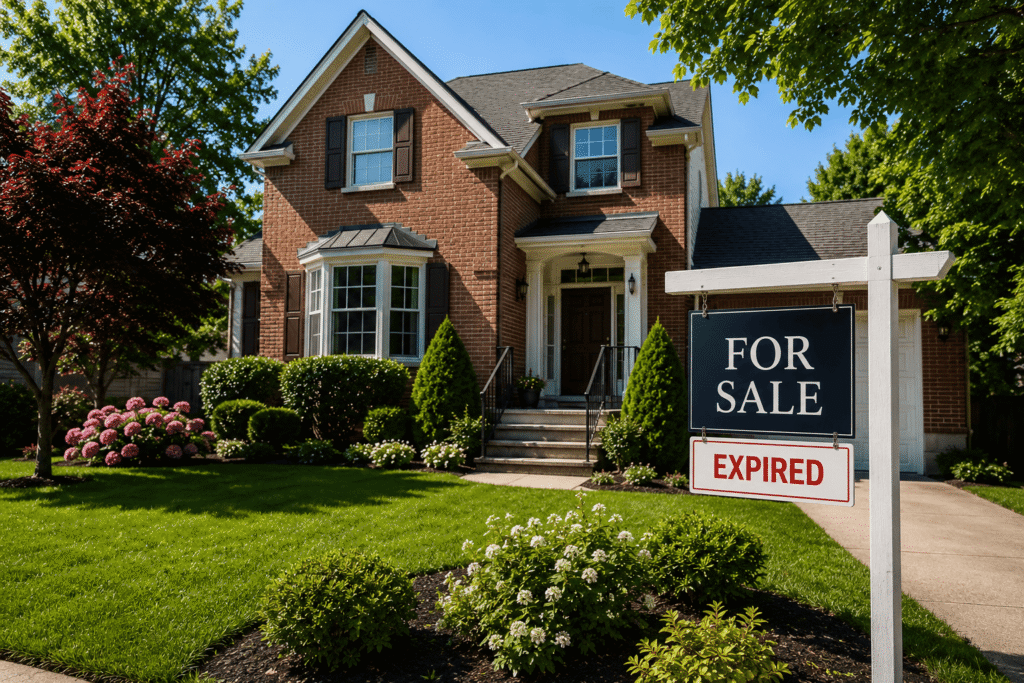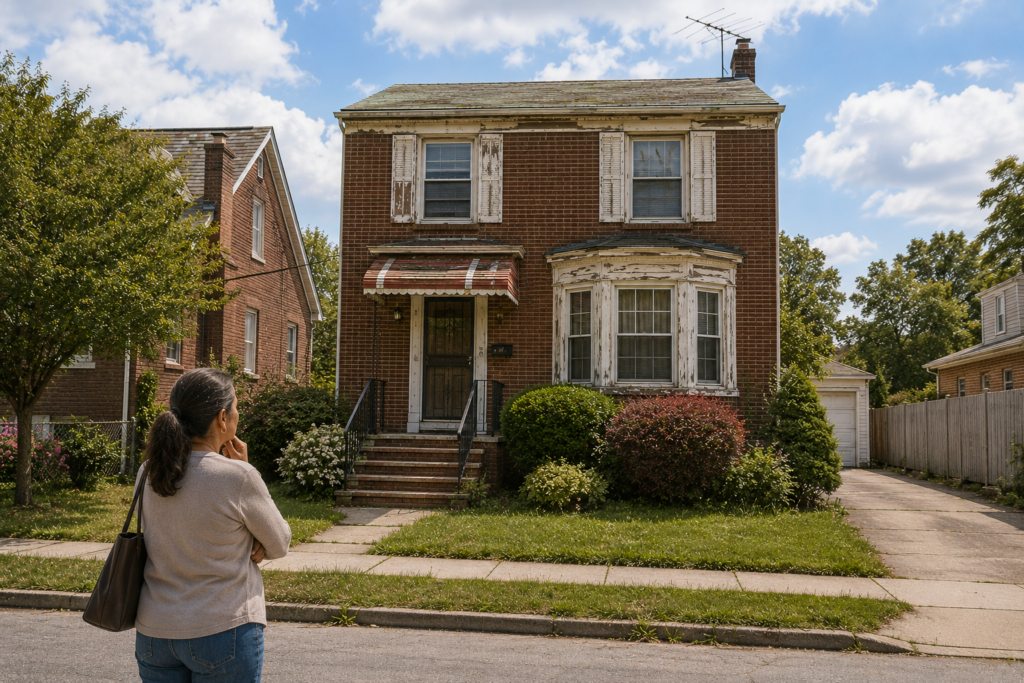
If your home recently came off the market without selling, you’re probably feeling frustrated, disappointed, or simply unsure of what to do next.
After spending weeks—or even months—preparing your home, accommodating showings, and waiting for the right buyer, it can be discouraging when the listing expires without reaching the closing table. It’s natural to wonder whether the market has spoken or whether selling your home is still realistic.
The good news is this:
An expired listing doesn’t necessarily mean your home can’t be sold.
Many homes that don’t sell the first time are successfully sold after taking a step back, reevaluating the strategy, and making thoughtful adjustments. Before putting your home back on the market, it’s worth understanding what happened and what you can do differently moving forward.

Don’t Rush to Relist
When a listing expires, many homeowners feel pressure to get their home back on the market as quickly as possible. While that can sometimes be the right decision, relisting without understanding why it didn’t sell often leads to the same result.
Instead, take a step back and evaluate the previous listing with fresh eyes.
Ask yourself:
- What worked?
- What didn’t?
- What feedback did buyers consistently give?
- Was there strong interest that never turned into offers?
- Or was activity slow from the very beginning?
Understanding what happened is far more valuable than simply resetting your listing’s days on market.
Why Didn’t It Sell?
One of the biggest misconceptions is that every expired listing failed because it was overpriced.
Price certainly plays an important role, but it’s rarely the only factor.
A home may struggle to sell because of one issue—or several smaller issues working together.
Common reasons include:
- Pricing
- Marketing
- Photography
- Presentation
- Property condition
- Limited showing availability
- Financing issues
- Inspection or appraisal concerns
- Changing market conditions
Rather than assuming the answer, it’s important to identify which factors actually affected your sale.
Review the Data Before Making Decisions
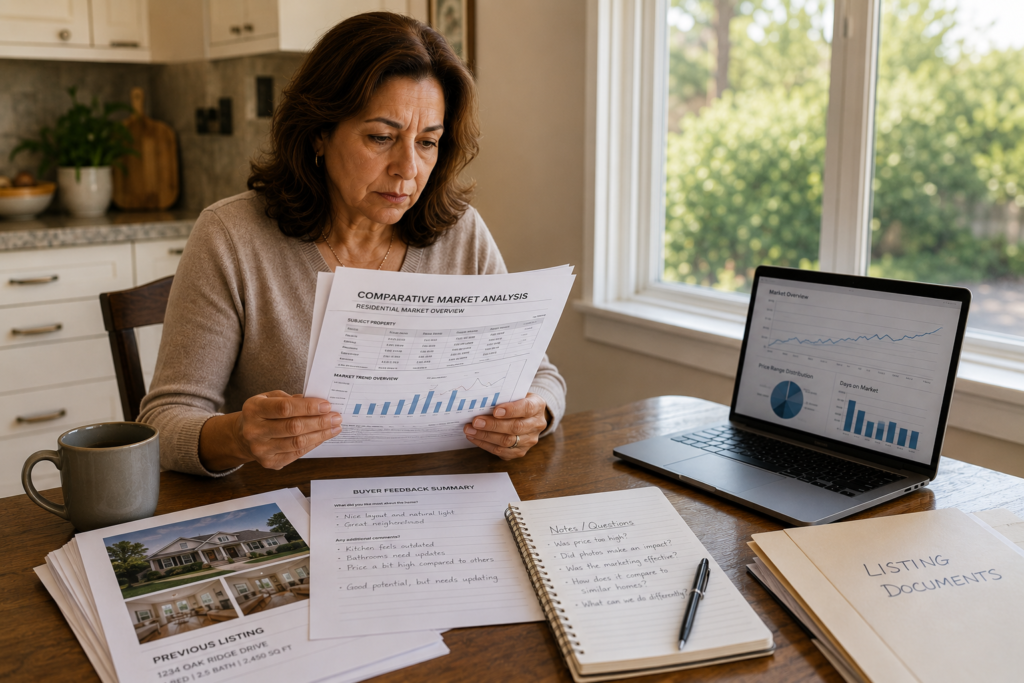
Before deciding what to do next, review the information your previous listing generated.
Questions worth asking include:
- How many showings did the property receive?
- Were buyers scheduling appointments but choosing other homes?
- Was online traffic strong but in-person activity weak?
- Did buyers consistently raise the same concerns?
- Were there offers that couldn’t come together?
- How did competing homes perform?
Looking at facts often provides valuable insight that emotions alone cannot.
Should You Work With the Same Agent Again?
Only you can answer that question.
Sometimes excellent agents encounter difficult markets.
Other times, homeowners feel the strategy simply wasn’t working.
Rather than focusing solely on the outcome, consider the overall experience.
Did your agent:
- Communicate consistently?
- Explain what the market was telling you?
- Recommend adjustments?
- Have a clear strategy?
- Help you make informed decisions?
The goal isn’t to assign blame. It’s to determine whether your home truly had its best opportunity to sell.

What Should Change Before You Relist?
A successful second attempt usually involves more than simply creating a new MLS listing.
Depending on your situation, it may make sense to reconsider:
- Pricing strategy
- Professional photography
- Staging
- Minor repairs
- Marketing
- Showing procedures
- Timing
Not every home requires major changes.
Sometimes a few thoughtful adjustments can dramatically improve buyer interest.
The important thing is making intentional decisions rather than repeating the same process and hoping for a different outcome.
Should You Relist Immediately or Wait?
There isn’t one answer that fits every homeowner.
If your circumstances require a move soon and market conditions remain favorable, relisting quickly may make sense.
In other situations, taking time to complete improvements, wait for seasonal demand, or allow market conditions to change may produce a stronger result.
The right timing depends on your goals, your local market, and what prevented the home from selling in the first place.

Create a New Strategy—Not Just a New Listing
One of the biggest mistakes homeowners make is believing that simply hiring a different agent or changing the listing date is enough.
A successful relaunch starts with a fresh evaluation.
Every home is different.
Every market is different.
Every seller’s goals are different.
Rather than asking,
“How quickly can we relist?”
a better question is,
“What should we do differently this time?”
Answering that question often leads to a more effective strategy and a better outcome.
Questions to Ask Before Signing Another Listing Agreement
Before committing to another listing, consider asking:
- What do you believe prevented my home from selling?
- What would you change if you were listing it today?
- Has the market changed?
- Would you recommend repairs or improvements?
- How will you market my home differently?
- How will we measure whether the strategy is working?
- What happens if activity slows again?
The answers to these questions can tell you far more than promises.
Final Thoughts
An expired listing isn’t the end of your selling journey.
In many cases, it’s simply an opportunity to learn from the market, refine your approach, and move forward with a stronger strategy.
Selling a home is one of the largest financial decisions most people will ever make. Taking the time to understand what happened—and making informed decisions before relisting—can make all the difference.
Whether you decide to relist right away or wait until the timing feels right, approaching your next listing with clarity, preparation, and a well-thought-out strategy will give you the best opportunity for success.