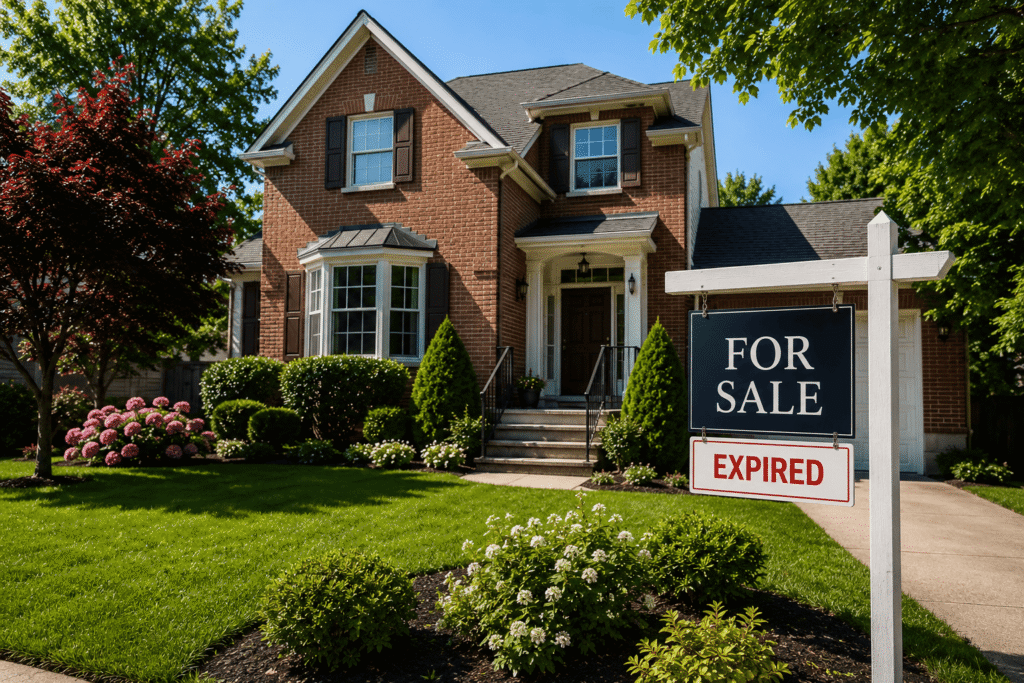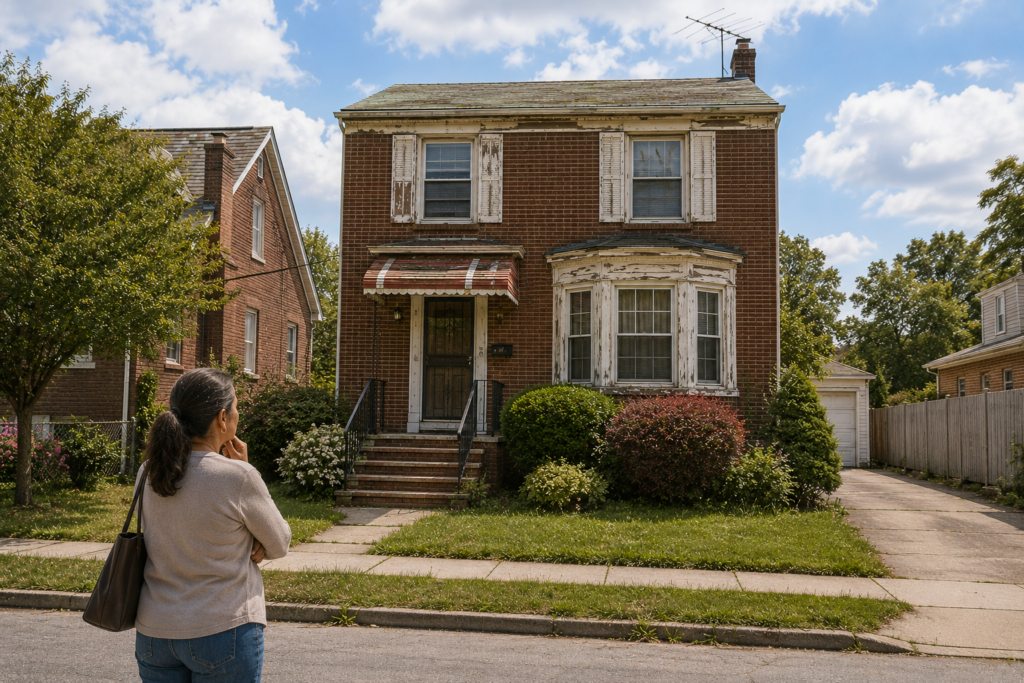

For many homeowners, the decision to sell begins long before the property ever reaches the
market.
Sometimes it starts with a growing family, retirement plans, relocating closer to relatives, or
simply feeling ready for a different chapter. In many cases, homeowners spend months — and
sometimes years — thinking through the idea before ever speaking with an agent.
In New York City, selling a home is rarely just about the property itself. It is also about timing,
preparation, logistics, and understanding how to position yourself for what comes next.
One of the biggest misconceptions sellers have is believing preparation begins once they are
ready to list. In reality, the strongest outcomes often come from planning much earlier in the
process.
Preparation Is About More Than Appearance
Many people associate preparing a home for sale with cosmetic improvements — painting walls, decluttering rooms, or rearranging furniture.
While presentation certainly matters, preparation goes much deeper than appearance alone.
The way a property is prepared can influence:
- Buyer confidence
- Perceived value
- Negotiating leverage
- Time on market
- The type of buyer the property attracts
Buyers are not only evaluating the home itself. They are also evaluating how confident they feel moving forward with the purchase.
A property that feels well-maintained, organized, and thoughtfully presented tends to create a stronger emotional response and fewer concerns during the showing process.

Every Property Requires a Different Approach
There is no universal formula for preparing a home for sale in New York City.
A vacant condominium, a tenant-occupied multifamily property, a co-op, or a long-held Brooklyn brownstone may each require a completely different approach.
Some homes benefit from selective updates before listing. Others may make more sense to sell as-is depending on the timeline, condition, financial goals, or likely buyer pool.
The goal is not simply to spend money before selling. The goal is to understand which improvements are likely to create meaningful value — and which may not significantly impact the outcome.
That planning process becomes especially important in New York City, where every property, building, and neighborhood can present different considerations.
Buyers Respond to Clarity and Confidence
Many homeowners underestimate how strongly presentation affects buyer psychology.
When buyers walk into a property that feels clean, maintained, and thoughtfully prepared, they tend to feel more confident about the home overall.
On the other hand, visible maintenance concerns, unfinished projects, excessive clutter, or uncertainty around the property can create hesitation — even when the underlying home itself is strong.
That hesitation can affect:
- Buyer urgency
- Offer strength
- Negotiating power
- Overall perception of value
Preparing a home properly is not about creating perfection. It is about reducing unnecessary friction and helping buyers clearly understand the opportunity in front of them.
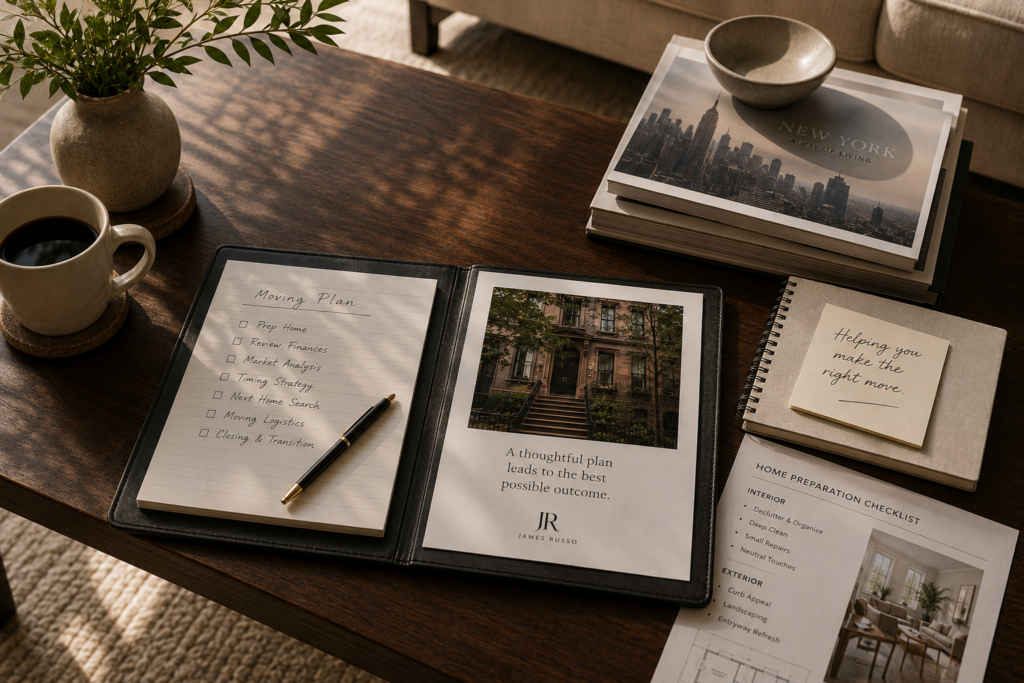
The Planning Process Matters
For many sellers, the largest challenge is not the listing itself — it is everything surrounding the move.
Questions about timing, finances, purchasing another property, relocation plans, or coordinating multiple moving pieces can quickly become overwhelming without a clear plan in place.
That is why preparation should involve more than simply getting the property market-ready.
It should also involve understanding:
- What the next move looks like
- What timeline makes the most sense
- What obstacles may need to be addressed early
- How the sale fits into broader financial or lifestyle goals
The earlier these conversations happen, the more options sellers typically have available to them.
Final Thoughts
Selling a home in New York City is often a major financial and personal transition.
A thoughtful preparation process can help reduce stress, improve positioning, and create a clearer path forward long before the property ever reaches the market.
Whether someone is planning a move in the near future or simply beginning to explore their options, having a strategy in place early can often lead to better decisions — and ultimately, better outcomes.
Planning Your Next Move?
Real estate decisions often involve more than the transaction itself. Selling, relocating, downsizing, purchasing another property, or simply exploring options can involve timing, strategy, and multiple moving pieces.
If you would like guidance on your options and next steps, schedule a consultation.